Thursday, May 29, 2025

Curcuma


A Natural Anti-Inflammatory

One of the most well-known benefits of turmeric is its anti-inflammatory properties. Chronic inflammation is believed to play a major role in many common diseases, including heart disease, cancer, metabolic syndrome, Alzheimer’s, and various degenerative conditions. Curcumin helps reduce inflammation at the molecular level, making turmeric a powerful natural alternative to synthetic anti-inflammatory drugs, which often come with side effects.

Powerful Antioxidant

Turmeric is also a potent antioxidant. Oxidative damage caused by free radicals is one of the mechanisms behind aging and many diseases. Curcumin helps neutralize these free radicals due to its chemical structure. Additionally, curcumin boosts the body’s own antioxidant enzymes, making it a double threat to oxidative stress.

Boosts Brain Function

Curcumin may increase the levels of Brain-Derived Neurotrophic Factor (BDNF), a growth hormone that functions in the brain. A lack of BDNF has been linked to depression and Alzheimer’s disease. By increasing BDNF levels, turmeric could help delay or even reverse many brain diseases and age-related decreases in brain function.

Supports Heart Health

Heart disease is the world’s leading cause of death. Turmeric improves the function of the endothelium, which is the lining of the blood vessels. Endothelial dysfunction is a major driver of heart disease. Several studies suggest that curcumin leads to improvements in endothelial function, reducing the risk of heart-related issues.

May Help Prevent Cancer

Curcumin has been studied as a beneficial herb in cancer treatment and has been found to affect cancer growth, development, and spread at the molecular level. It may contribute to the death of cancerous cells and reduce angiogenesis (growth of new blood vessels in tumors) and metastasis (spread of cancer).

Helps with Joint Health

People with arthritis often report improvements when taking turmeric supplements. Its strong anti-inflammatory effects are key in reducing the pain and stiffness associated with conditions like osteoarthritis and rheumatoid arthritis.

Enhances Skin Health

Due to its antibacterial and anti-inflammatory properties, turmeric can help with acne, eczema, and psoriasis. It is often used in natural skincare routines to promote glowing and healthy skin.

Saturday, March 30, 2024

Aniseed: A Flavorful Spice with a Rich History


Aniseed, also known as anise, is a popular spice beloved for its distinctive sweet and aromatic flavor. Belonging to the Apiaceae family, this spice is derived from the seeds of the Pimpinella anisum plant and is native to the Eastern Mediterranean region and Southwest Asia.

Aniseed has a long and illustrious history, dating back thousands of years. It was highly prized by the ancient Egyptians, Greeks, and Romans for its medicinal and culinary properties. The Egyptians believed that aniseed had protective properties and placed it in the tombs of pharaohs. In ancient Greece, aniseed was used in a variety of dishes and drinks, while in Rome, it was used as a digestive aid.

Today, aniseed is a popular ingredient in a wide range of cuisines around the world. It is commonly used in baking, particularly in recipes for cookies, cakes, and bread. Aniseed is also a key component in many traditional European liquors and spirits, such as absinthe, ouzo, and pastis, giving them their characteristic licorice-like flavor.

In addition to its culinary uses, aniseed is also renowned for its medicinal properties. It has been used for centuries to aid digestion, alleviate symptoms of coughs and colds, and promote relaxation. Aniseed is rich in antioxidants and has anti-inflammatory properties, making it a popular natural remedy for various ailments.

Aniseed's versatility extends beyond the kitchen and medicine cabinet. Its essential oil is widely used in the perfume and fragrance industry, adding a sweet and spicy note to a variety of products. Aniseed essential oil is also utilized in aromatherapy for its calming and soothing effects.

When using aniseed, it's important to note that a little goes a long way due to its strong flavor. It pairs well with other warm spices like cinnamon, cloves, and nutmeg, and can add depth and complexity to both sweet and savory dishes.

In conclusion, aniseed is a versatile spice with a rich history and a wide range of uses. Whether enjoyed in a comforting cup of herbal tea, a fragrant batch of cookies, or a soothing essential oil blend, aniseed continues to captivate and inspire those who appreciate its unique flavor and benefits.

Wednesday, September 7, 2022

Green tea


Green tea has been a popular drink as well as a traditional medicine in China and Japan for thousands of years. Early in the 17th century, it was introduced to consumers in Europe who rapidly came to embrace the beverage. In 18th century England,

Green tea has anti-inflammatory properties.

Green tea, either as a beverage or in capsule form, was linked to significant but modest reductions in total low-density lipoprotein cholesterol

That green tea can enhance a person’s working memory and other cognitive functions.

green tea was a medicine for controlling bleeding, aiding digestion, and regulating body temperature

found that daily green tea consumption was linked to lower risk of death from cardiovascular disease. In particular, the study was examining the link between the polyphenols (antioxidants) in green tea and cardiovascular diseases

Green tea is a healthy choice for those worried about added sugars, because it naturally contains zero grams of sugar. Compared to soda and fruit juice, which both contain a lot of sugar, green tea is the healthier choice

Sunday, February 20, 2022

Aniseed


Health Benefits and Uses of Anise Seed :Could Protect Against Stomach Ulcers. May Reduce Symptoms of Depression. Rich in Nutrients. Prevents the Growth of Fungi and Bacteria. Could Help Relieve Menopause Symptoms. Can Reduce Inflammation


Friday, August 20, 2021

Alfalfa


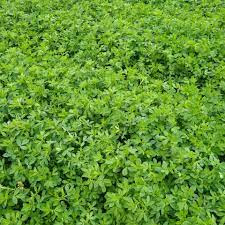
Alfalfa (Medicago sativa) is a perennial plant belonging to the Fabaceae family that has long been used in traditional medicine to treat a variety of health conditions.

The plant, which grows 30–90 cm (1–3 feet) tall, arises from a much-branched crown that is partially embedded in the surface layer of soil

Green leafy alfalfa hay is very nutritious and palatable to livestock, containing about 16 percent proteins and 8 percent mineral constituents. It is also rich in vitamins AED, and K.


Friday, August 7, 2020

Mullein


The Mullein’s plant towering flower stalk with golden yellow flowers can be seen presiding over fields and open spaces throughout most of the world. The common name Mullein is a derivation of the Latin word ‘Mollis’ which means soft and refers to the texture of the leaves. The plant is native to Europe, the Mediterranean, North Africa and Asia and has been widely naturalized in North America and Australia.

Great mullein possesses great variety of healing properties. As a result, the herb has been used for medical purposes since ancient times. The herb should be sown in early spring. During the first year a large rosette of leaves is going to grow, but on the second year you will be able to collect small yellow blossoms. The blossoms should be dried quickly. You can even expose them to direct sunlight. You should fill a vessel made of brown glass or tin with the dried herbs of great mullein and cover the vessel up. Keep it in a dark and dry place.


Thursday, August 6, 2020

Alfalfa


Alfalfa is one of the most beneficial foods given to us by the creator. Alfalfa is one of the richest sources of all minerals necessary for great health. Alfalfa is one of the earliest cultivated plants, used for centuries for feeding livestock. This probably is true in part because Alfalfa is easy to grow, thrives in many varied climates throughout the world, and provides an excellent protein-rich food source.

Many people believe that eating alfalfa contributes greatly to a sound diet. And why not? Besides wheatgrass and algae, alfalfa is believed to have the greatest nutrient content among the so-called 'green herbs'. Alfalfa tea nutrients include fiber, vitamins, minerals, and protein. It is believed to possess all of the required digestive enzymes.


Alfalfa is an amazing "Super food". It is high in calcium, magnesium, phosphorous, potassium and trace minerals. Alfalfa is also high in vitamins A,B,C,D,E,F and K. The roots of the Alfalfa are known to grow more than 30 metres into the soil. It can contain a wide variety of minerals and elements that are found deep in the soil. Alfalfa can grow up to a metre in height (around 3 feet)

Sunday, April 19, 2020

Chamomile


The word chamomile is derived from Greek origin, meaning "earth-apple on the ground". It is so called due to the sweet, apple-like, scent of the plant. Chamomile tea has a golden color and delicious, fruity, flavor.

Chamomile oil gets you rid of toothache, earache as well as body pain. It is also used to treat stress related disorders. Apart from this, chamomile is used to treat a plenty of skin problems. If you are facing problems due to fear, tension, anxiety or anger then you should use this oil,

Antioxidants - Chamomile has been found to have moderate antioxidant effects. Antioxidants are a class of chemicals common in tea as well as a wide variety of fruits, vegetables, and herbal teas. Although antioxidants are not universally beneficial,
Chamomile is an exceptional drink to help soothe a stomachache. While it helps soothe the intestines, chamomile can promote better digestion,


Friday, April 3, 2020

Calendula


he Calendula Plant actually has many healing properties that range from anti-inflammatory, antibacterial, and even anti-viral. The Calendula plant has actually proven to be quite helpful in healing various types of wounds, including burns. It speeds up healing, and even reduces inflammation.Calendula tea is a remedy for a sore throat; in the event of a sore throat, you can gargle calendula tea three times a day to relieve the pain. Calendula is useful on sore throats because of its ability to reduce the swelling and the pain.Calendula improves skin tone, strength, hydration, regenerative power and also fights infections from surrounding bacteria. If your nappy change cream or rash relief cream also contain zinc oxide this will further help by protecting the skin against dampness and wet spots, which encourage fungal infections.Detoxify the body; a dose of three cups of calendula tea is essential in cleaning the organs of the body especially the liver. The herb stimulates the proper function of the gallbladder.Calendula is also recommended for use in treating varicose veins, chronic ulcers, capillary engorgement, and congestion. Calendula flowers are edible, and may be added to salads or cooked foods. They can also be dried for use in teas. Calendula adds flavor and color to cereals, rice, and soups

Thursday, April 2, 2020

Anise


Anise's scientific name is pimpinella anisum or aniseed. It's a flowering plant (meaning it produces seeds) in the Apiaceae family. It was originally grown in Southwest Asia and the eastern Mediterranean region of the world. The anise plan grows annually and can reach three feet tall. The plant has leaves that are shallow and around half an inch to two inches in length,
The medicinal qualities of anise have been known to man as far back as the ancient Egyptians and Romans. Anise aids in the body's digestion and fat metabolism. In the Middle East, India, and in parts of Europe, anise is used as a breath freshener.Anise is useful in a variety of respiratory diseases, such as asthma, whooping cough, and bronchitis. A topical application is helpful in treating skin disorders such as oiliness, scabies and lice. Chewing the seeds help freshen breath and remedy insomnia.Anise seeds have been used as medicinal supplements since ancient civilizations. Ancient Mediterranean and ancient Middle Eastern civilizations originally used anise as a spice or oil in cooking

Bilberry

Bilberry is a bush which usually will grow to roughly sixteen in. high. It's got oblong, slender foliage and tiny white and pink bouquets, which often grow in April all the way June.. as well as being useful for vision weakness, inadequate night time eye-sight, and near-sightedness..Other benefits of bilberry include treating menstrual cramps and helping aid stomach ulcers. Varicose veins, thrombosis, angina, and poor circulation may also be improved with the use of bilberry, as the herb helps with healthy blood flow.Bilberry is surely a germ-killer as well as an astringent. It can be employed efficiently as a good mouth wash, for the treatment of diarrhoea, and then for eliminating blue veins. In addition, it fortifies ligament. Its application could restrict iron intake. Various other purposes of bilberries count managing UTIs, perhaps due to the power to prevent the gathering of E. coli inside the bladder along with gut.
Bilberry improves circulation and makes artery walls. The herb may reduce inflammation, ease gastro-intestinal problems, and gum problems that have been linked to heart disease. Diarrhea and mouth sores can benefit from Bilberry as well. Bilberry has strong antiseptic properties, relieves peptic ulcers, diabetes, fibrocystic diseases, and painful menstruation

Friday, March 27, 2020

Acerola

The fruit is similar to a cherry and is a deep red color when ripe. It is a rich source of vitamin C
Acerola Cherry is a tart fruit that is seldom seen fresh outside of where it is cultivated due to its fragile nature.
Acerola strongly resembles cherries, giving it the nick name "Barbados cherry",  "Antilles cherry” or “country-cherry”., and particularly for making high vitamin C content food supplements.
Vitamin C is an essential dietary nutrient, playing a role in immune system health. It is also important in the synthesis of collagen, a structural component of bon
The plant is also cultivated throughout the Caribbean and sub-tropical regions. As of current, Brazil is the largest mass cultivar of the plant

Wednesday, February 26, 2020

Achillea millefolium Yarrow


Common yarrow or milfoil is a plant that’s familiar to hikers as well as gardeners. yarrow has flat-topped or dome-shaped clusters of small white flowers that bloom from April to October. An attractive, hardy perennial, yarrow can reach about 3 feet in height. Its aromatic
The dried leaves were used as a tea to soothe colds, fever, and headache. Yarrow beer has been brewed in Europe since the middle ages. The Chinese considered yarrow plants to be good luck
Best grown in lean, dry to medium, well-drained sandy loams in full sun. Plants do well in average garden soils and tolerate poor soils as long as drainage is good. Plants also tolerate hot, humid summers and drought. If grown ornamentally, plants are best sited in locations protected from strong winds

Tuesday, October 30, 2018

Basil

Basil, also known as Saint Joseph's Wort, is an herb belonging to the mint family. It is used as in cooking and may have some health benefits.
Basil also provides vitamin A, which contains beta-carotenes, powerful antioxidants that protect the cells lining a number of numerous body structures, including the blood vessels, from free radical damage

Monday, October 29, 2018

Alfalfa

Alfalfa is a perennial grown worldwide. It’s used as a feedstock for cattle. It looks like a clover. But it can grow to a height of 2 to 3 feet. It blooms in the summer with purple or blue flowers.
they are typically high in vitamin K and also contain many other nutrients, including vitamin C, copper, manganese and folate.

Alfalfa sprouts contain the same nutrients and are also very low in calories.
At harvest time, alfalfa is mowed, field dried, and baled. The baled hay can be fed directly to cattle

Aloe vera

Aloe vera, sometimes described as a "wonder plant," is a short-stemmed shrub. Aloe is a genus that contains more than 500 species of flowering succulent plants.
Aloe vera is well recognized by its thick, pointed and fleshy green leaves, which can grow to about 12-19 inches (30-50 cm) in length.
Aloe vera is one of approximately 420 species of the genus Aloe; the botanical name of aloe vera is Aloe barbadensis miller, and it belongs to the Liliaceae family

Thursday, March 16, 2017

Peppermint

The herb peppermint, a natural cross between two types of mint, grows throughout Europe and North America. Both peppermint leaves and the essential oil from peppermint have been used for health purposes.
Mint has been used for health purposes for several thousand years. It is mentioned in records from ancient Greece, Rome, and Egypt

Peppermint leaf can be used as a flavoring in beverages or when you’re cooking. Mint leaf is a fantastic and refreshing addition to salads and some culinary styles readily include peppermint leaf in recipes. It’s no wonder, in addition to providing great flavor, peppermint contains vitamin A and C, iron, potassium, and fiber,

Wednesday, March 15, 2017

Chamomile

Chamomile is an age-old medicinal herb known in ancient Egypt, Greece and Rome. Chamomile's popularity grew throughout the Middle Ages when people turned to it as a remedy for numerous medical complaints including asthma
Chamomile is a very beneficial herb known to be relaxing,
 chamomile tea can be a major help to your happiness. Chamomile tea has anti-inflammatory properties that help to ease the twisting nature of your gut and allow for the passage of gas and bowel movements

One of the most popular uses of a cup of chamomile tea is as a stress and anxiety treatment. After a long day at work, the warm, soothing nature of this beverage can help increase the levels of serotonin and melatonin in your body, which can successfully eliminate stress and worry.


Saturday, January 14, 2017

Ginseng

Ginseng is a herbal root that is native to some parts of Asia, mainly China and South Korea. Over the centuries it found its way to North America and it now grows naturally in some regions.

The root is used. Excellent for low blood pressure. Increases the capillary
circulation of the brain and also helps with nervous exhaustion. Useful for
chest troubles, colds stomach and lungs
Ginseng has long been used by the Chinese for energy, enhancing libido and as a remedy for countless ailments. One the Chinas earliest and most powerful dynasties, the Liang Dynasty, considered Ginseng to be a cure for all kinds of illnesses. Emperors took it regularly believing that it could give them not just a satisfying sex life but also overall healthy and long lives.


Borage


The Borage plant is native to southern Europe and the Mediterranean region, where it thrives in rich soil and full sun. The Borage herb has long been cultivated in herb gardens. It has become naturalized in much of Europe and England and continues to be cultivated worldwide.

Effective treatment for kidneys, ringworm, mouth sores and the blood. It is
highly recommended after any treatment with cortisone or steroids as it
                                            will revive and renew the adrenal glands over time